WebMCP Explained: How Websites Can Expose Their Real Functions to AI Agents
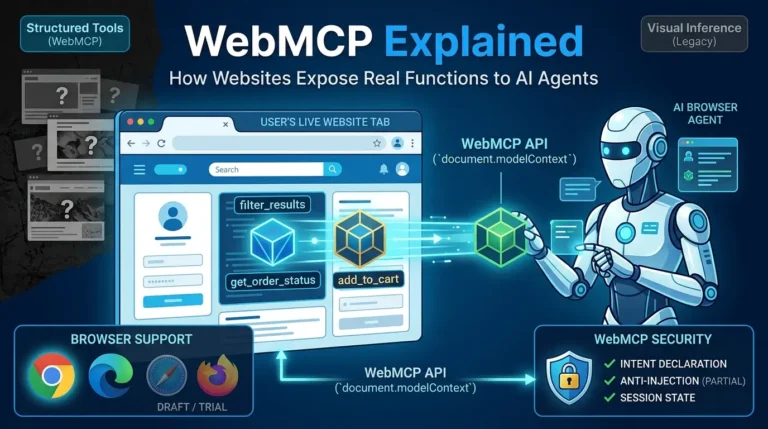
WebMCP lets websites expose structured tools to browser agents. Learn how it works, how it differs from MCP, its security limits, and when to use it.
WebMCP lets websites expose structured tools to browser agents. Learn how it works, how it differs from MCP, its security limits, and when to use it.
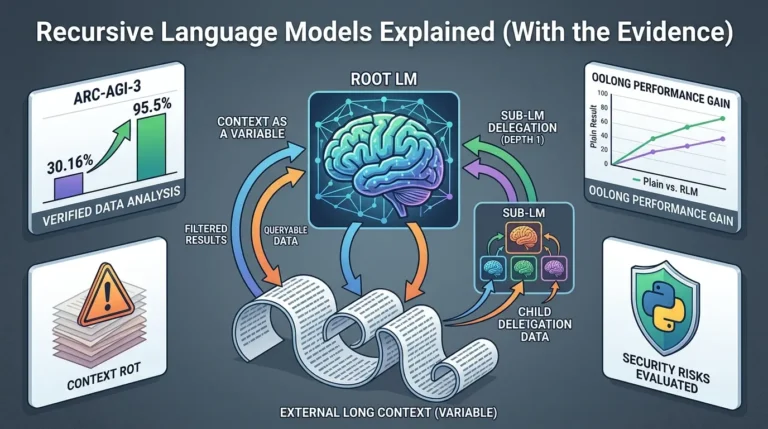
Discover what recursive language models actually change. We analyze verified ARC-AGI-3 and OOLONG data, context rot, latency limits, and security risks.
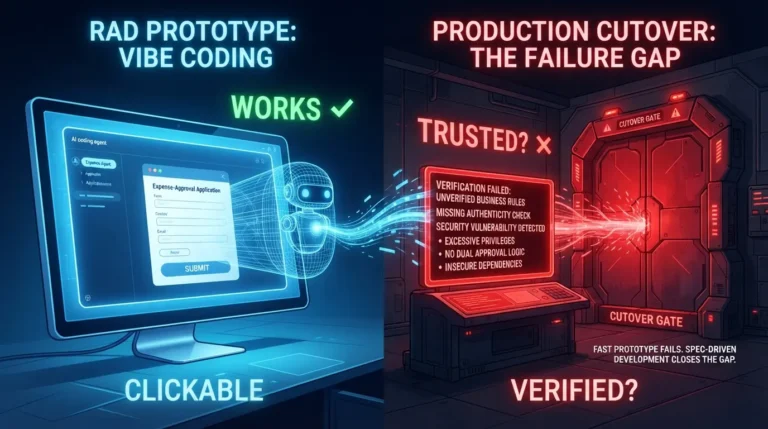
Discover why AI coding agents excel at prototypes but fail at cutover through the lens of RAD. Learn how spec-driven development closes the production gap.
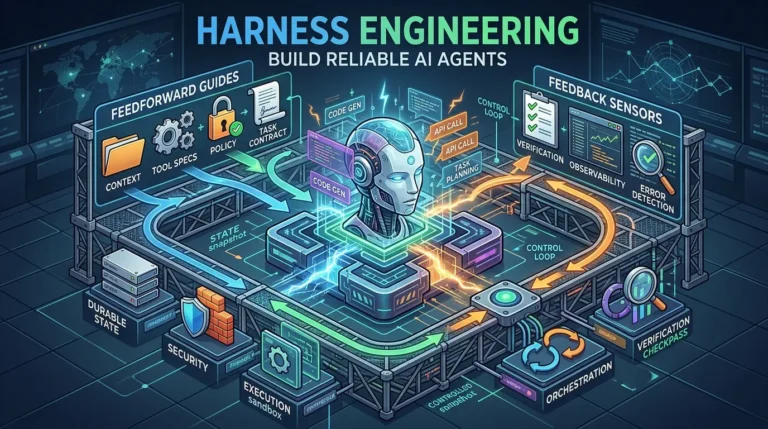
Learn how Harness Engineering turns models into reliable agents through tools, state, verification, security, observability, and feedback loops.
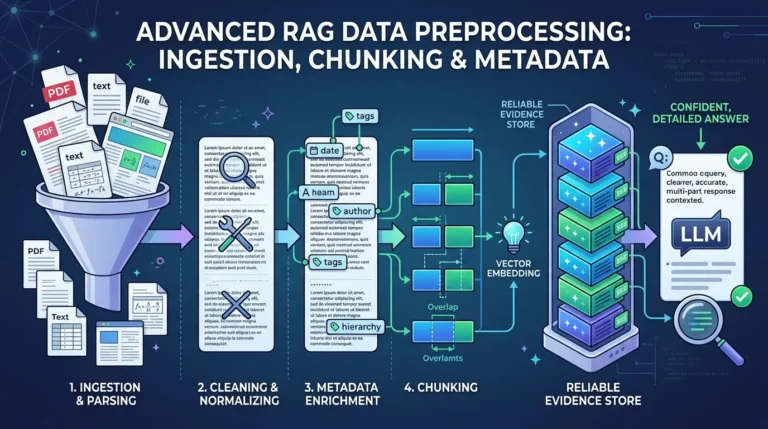
Build a reliable RAG Data Preprocessing pipeline with practical guidance on document ingestion, cleaning, chunking, metadata enrichment, hybrid retrieval, and evaluation.

Run AI Locally: Local AI isn't just a privacy trend anymore. See the real 2026 numbers on cost, latency, compliance, and where self-hosted models actually fall short.
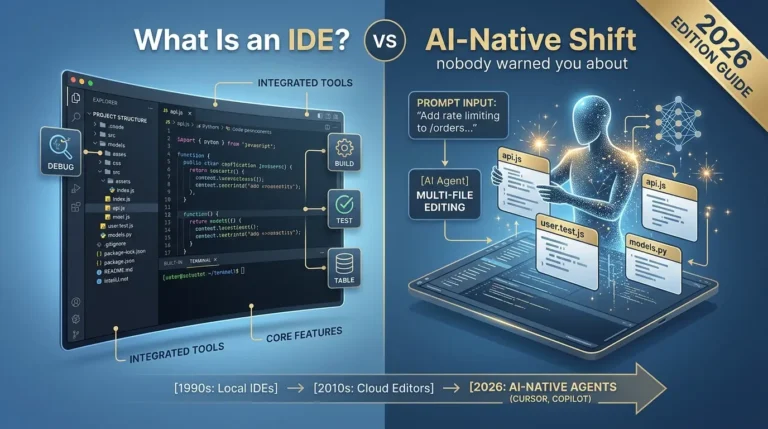
What is an IDE? A practical 2026 guide to core features, IDE types, AI-assisted development, security considerations, and choosing a development environment that fits your language, team, and risk profile.
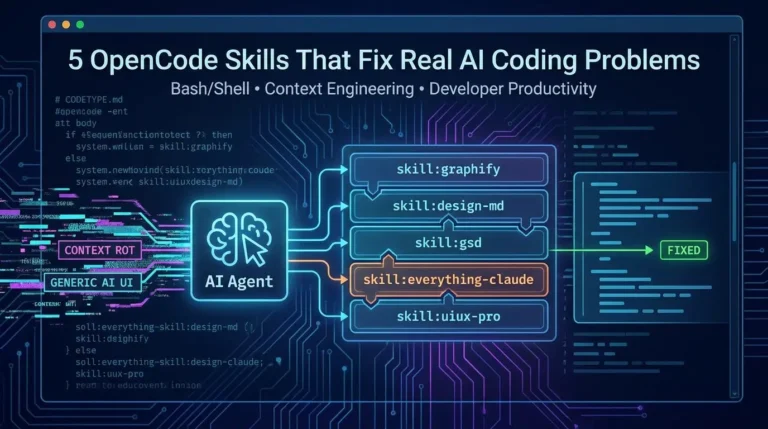
Stop fighting hallucinated code. Learn how to configure custom OpenCode skills, automate repetitive coding tasks, and optimize reasoning workflows.
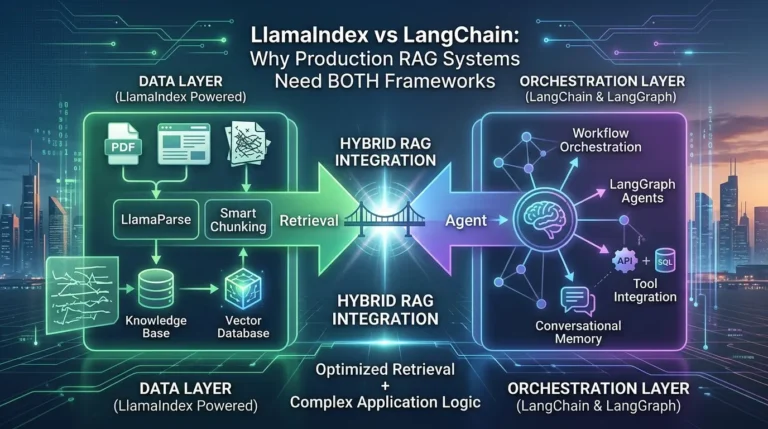
LlamaIndex and LangChain overlap more than a simple “data layer versus application layer” diagram suggests. This guide compares their current building blocks, explains when one framework is enough, and shows when a hybrid boundary can make sense. The right choice depends on your retrieval workload, workflow complexity, team ownership, and evaluation requirements.