WebMCP Explained: How Websites Can Expose Their Real Functions to AI Agents
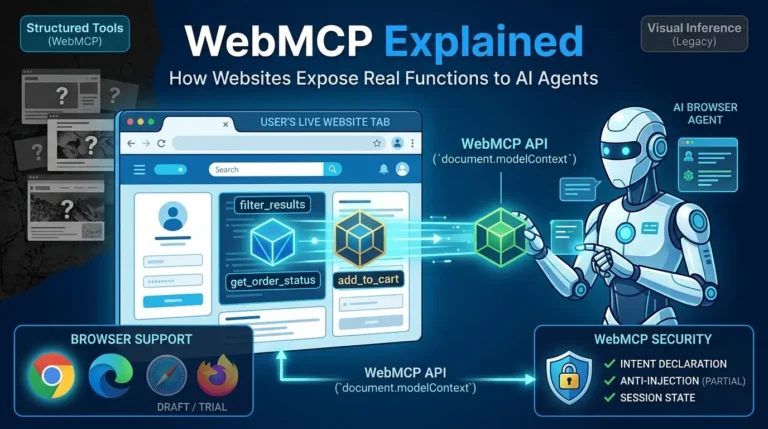
WebMCP lets websites expose structured tools to browser agents. Learn how it works, how it differs from MCP, its security limits, and when to use it.

WebMCP lets websites expose structured tools to browser agents. Learn how it works, how it differs from MCP, its security limits, and when to use it.
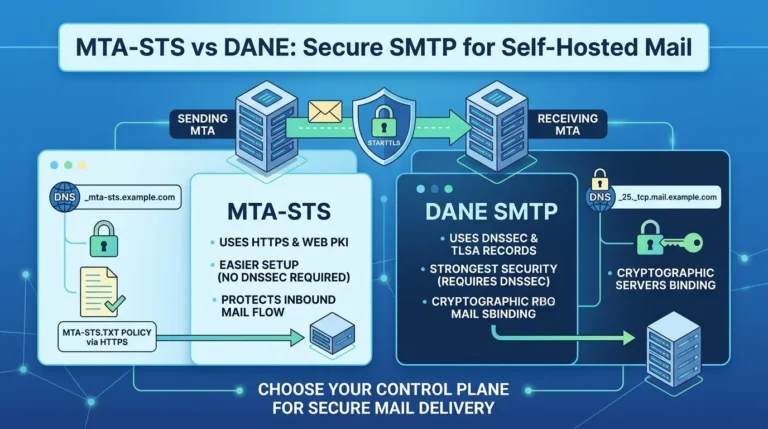
Compare MTA-STS vs DANE for self-hosted mail, then deploy TLS-RPT, DNSSEC, TLSA, and SMTP encryption with safer testing and rollover steps.
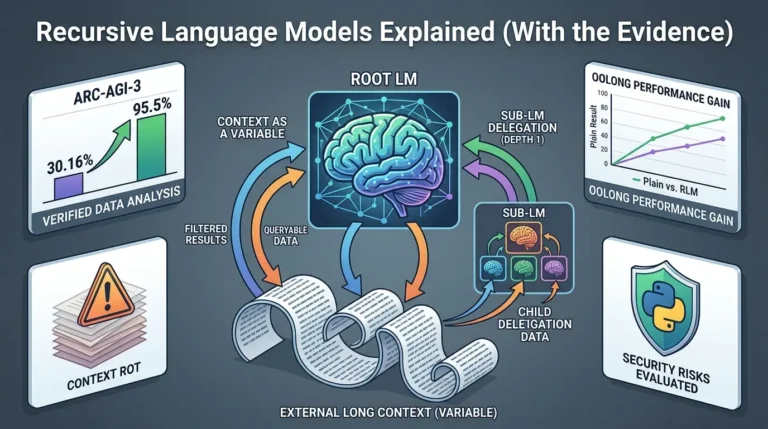
Discover what recursive language models actually change. We analyze verified ARC-AGI-3 and OOLONG data, context rot, latency limits, and security risks.
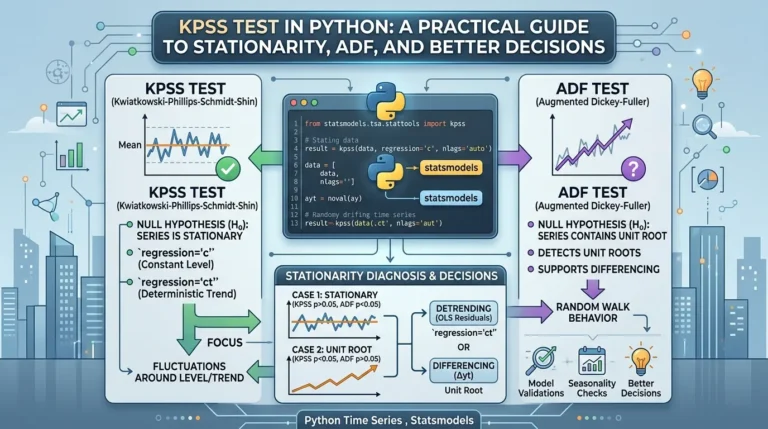
Learn how to run and interpret the KPSS test in Python, choose c or ct, compare it with ADF, handle warnings, and decide between detrending and differencing.
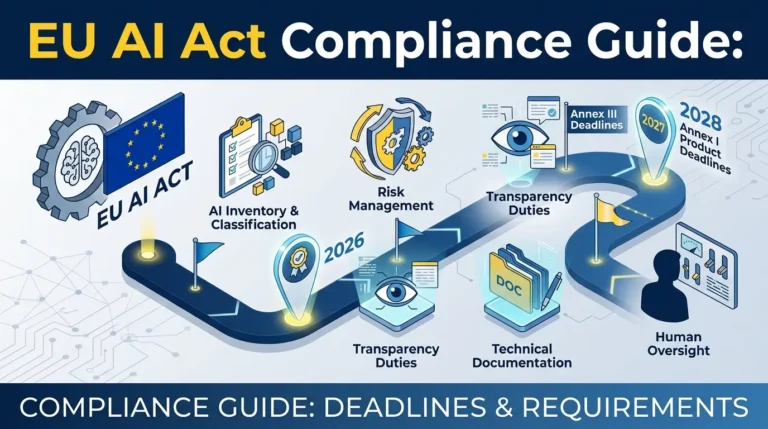
A current EU AI Act compliance guide covering 2026–2030 deadlines, roles, high-risk systems, GPAI, Article 50, evidence, and enterprise controls.
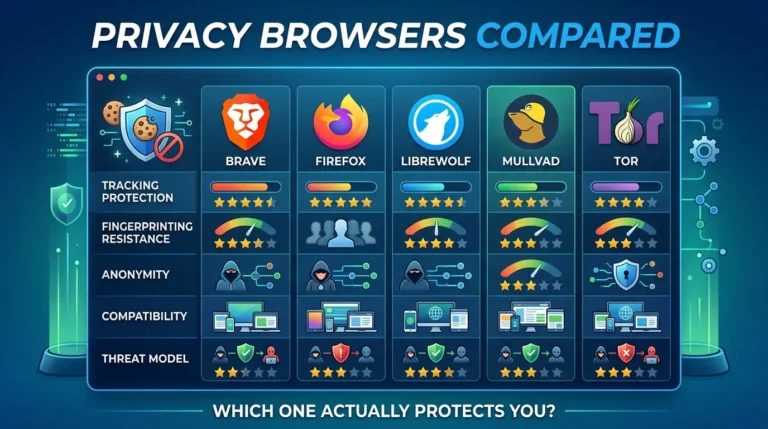
Privacy browser: Compare Brave, Firefox, LibreWolf, Mullvad Browser, and Tor in 2026 by tracking protection, fingerprinting, anonymity, compatibility, and threat model.

Discover why AI coding agents excel at prototypes but fail at cutover through the lens of RAD. Learn how spec-driven development closes the production gap.
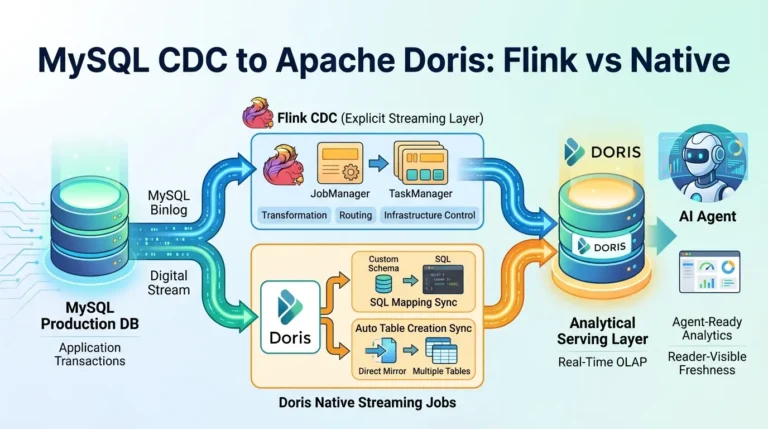
Learn how to sync MySQL CDC to Apache Doris with Flink or native Streaming Jobs, handle deletes and schema changes, and measure freshness safely.
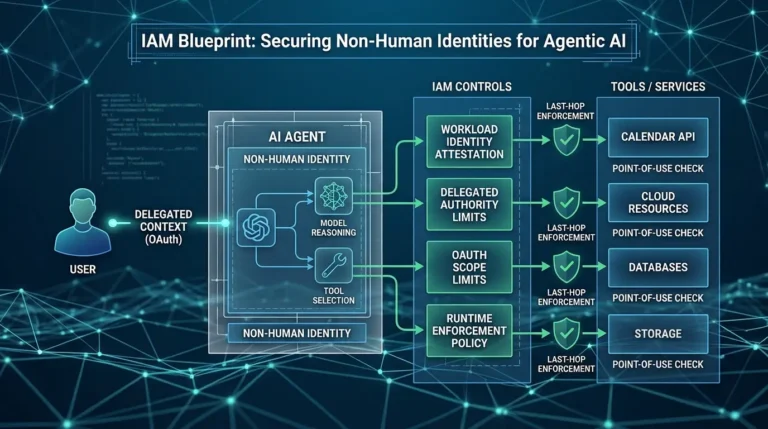
A practical IAM blueprint for securing non-human identities in agentic AI: identity models, delegated authority, OAuth limits, and runtime enforcement.
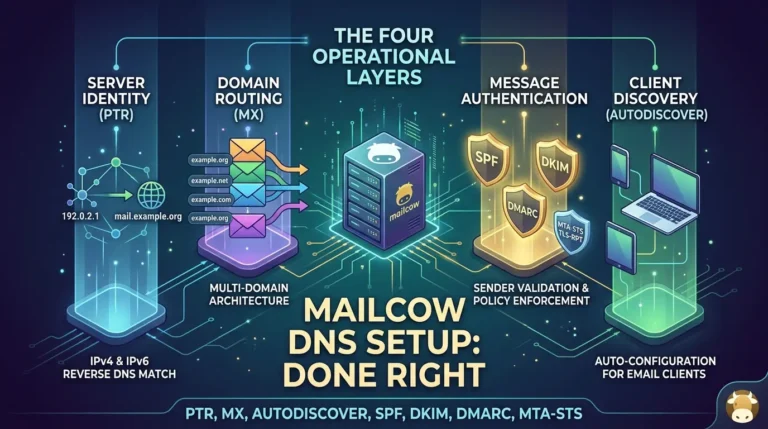
Learn how to complete a Mailcow DNS Setup with PTR, MX, Autodiscover, SPF, DKIM, and DMARC. Configure domains, IPv6, TLS, and troubleshoot common DNS issues.